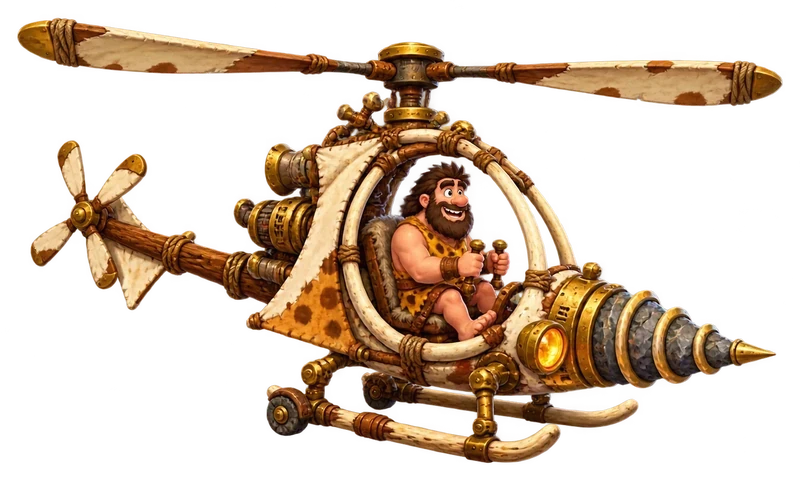
Game-ready foundations
Reusable building blocks for game state, dependable timing, input, settings, accessibility, saves, progression, effects, sharing, and replay-aware systems, ready to be shaped around the game instead of rebuilt from zero.
SaratogaKit is the private game-production framework, SDK layer, and working methodology used across Saratoga Games. It gives coding agents durable project context, reusable runtime foundations, connected specialist capabilities, and explicit quality gates.
Most coding assistants begin with the current prompt. SaratogaKit gives a game project a governed production environment that survives beyond it: the creative brief, player experience, accepted decisions, rejected directions, build targets, specialist responsibilities, and proof of work remain connected from one session to the next.
Its framework governs context and process. Its SDK supplies reusable game systems and platform adapters. Its methodologies define how the creative and technical work is reviewed, rejected, revised, and prepared for release.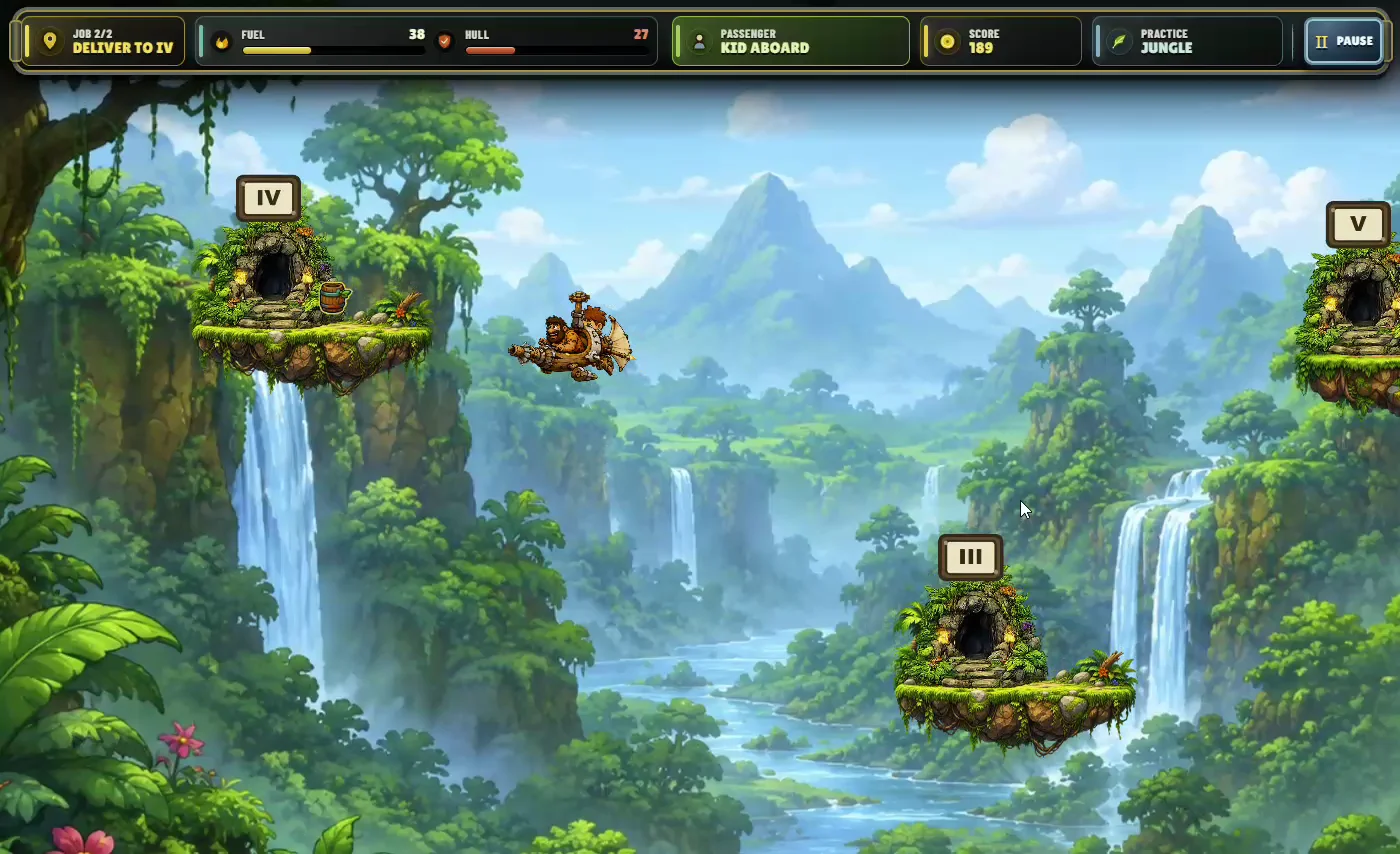 PLAYABLE SYSTEM / 01
The kit holds the creative brief, flight behavior, passenger states, biome rhythm, touch controls, soundscape, saves, and release evidence in one accountable production thread.
Why use a framework?
A blank chat can produce code. It cannot, by itself, preserve product intent, protect the latest decision, choose the right technical approach, safeguard saves, inspect artwork, test a thumb interaction, or recognize when the result is not good enough.
SaratogaKit supplies the operating intelligence around AI-assisted development. It translates creative intent into an executable brief, gives the work durable context, delegates specialist tasks to the right capabilities, and requires evidence before any build earns the word ready.
The owner sets the vision and exercises taste. Kit-directed agents translate that direction into technical decisions, production work, evidence, and revisions.
Start in ordinary language. A short idea is enough. SaratogaKit’s purpose-built agent workflow translates it into a focused production brief: the fantasy, the repeatable loop, the first satisfying moment, the audience, the controls, the look, and the smallest version worth playing.
Before producing a mountain of content, the riskiest interaction, camera, attachment, layout, or technical assumption is tested with representative artwork. Weak foundations are rejected early, when changing direction is still cheap.
The game grows through visible, reviewable increments. Controls, saves, settings, loading, art, sound, and feedback are treated as one product experience, not separate departments that meet at the end.
Kit-directed QA agents exercise the built result through real input, failure, retry, pause, resize, save, and resume paths. They inspect the rendered game at the sizes players will use while keeping human judgment separate from automated evidence.
Code compiling is not completion. The relevant quality gates, title-specific behavior checks, asset checks, privacy checks, visual inspection, and final artifact review must agree, or the build stays in revision.
The same gameplay source is prepared for its actual home, then served and tested as that final edition. A successful local build is never mislabelled as platform approval, player acceptance, or proven retention.
The kit adapts to the game. It does not force every idea into the same engine, art style, interface, progression model, or release destination.
Reusable building blocks for game state, dependable timing, input, settings, accessibility, saves, progression, effects, sharing, and replay-aware systems, ready to be shaped around the game instead of rebuilt from zero.
The idea becomes a player fantasy, repeatable loop, emotional direction, progression, and coherent world. A living decision record keeps the latest creative direction in charge and prevents rejected ideas from quietly returning.
Kit-directed creative agents establish a fitting visual language, produce and correct artwork, prepare runtime assets, inspect silhouettes and motion, and keep source history and usage evidence attached to the work.
Sound effects, voices, ambience, and music are planned as part of the game, not pasted on at the end. The workflow covers sourcing or generation, editing, rights, formats, mixing, looping, mute, pause, and runtime playback behavior.
The agent workflow can orchestrate specialist capabilities through standard tool connections, including MCP where available. Research, asset work, runtime inspection, and evidence gathering remain inside one directed production loop without tying the kit to a single provider.
Real keyboard, mouse, trackpad, controller, and touch paths can be exercised across phones, tablets, desktop systems, wide screens, enlarged text, and reduced motion. Screenshots, traces, loading evidence, and frame measurements are retained for review.
One game can produce deliberately separate editions for the web, mobile devices, desktop systems, or supported game destinations. Saves, ads, sharing, links, platform lifecycle, and SDK behavior remain isolated so one release target does not contaminate another.
Project state, accepted decisions, rejected approaches, build targets, evidence, and handovers become durable production memory. Kit-directed agents resume from the latest accepted truth instead of reconstructing the project from a long chat every time.
Describe the experience you want. Review what players will actually see and feel. Make the meaningful creative calls.
Kit-directed agents derive the brief, choose an approach, create the build and assets, coordinate specialist capabilities, inspect the work, correct failures, and present a playable result.
It carries decisions forward, separates evidence from claims, keeps private production context contained, and defines what must happen before “done” means anything.
SaratogaKit is designed to resist the false confidence of a happy-path demo. It separates automated proof, agent inspection, owner approval, and platform acceptance instead of collapsing them into one vague “pass.”
SaratogaKit is currently used across Saratoga Games and by a small, invitation-only group of game developers. Public access is not available yet. For release news, early details, or future access updates, drop us a mail!
Caveman Taxi is free to play in your browser. GridInc is free to play in your browser. Super Air Hockey is free to play in your browser.
I’m open to publishing conversations, collaborations, and interesting ideas. Say hello at hello@saratogagames.com.