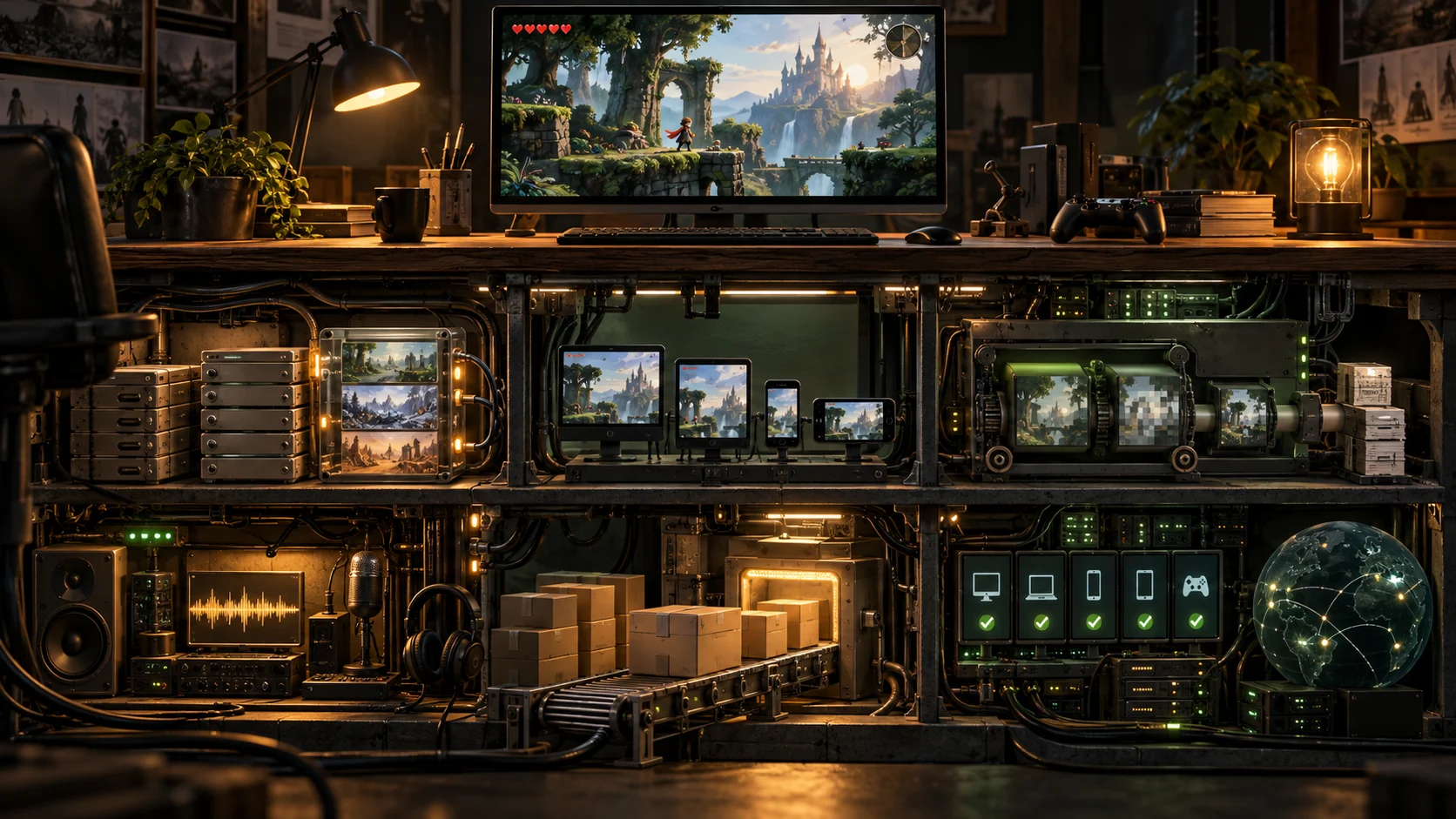
Protect the reason the prototype worked
The first useful Caveman Taxi build had the essential wobble. The first useful Super Air Hockey build made one clean contact satisfying. Production begins by naming that quality so later systems cannot polish it away.
SaratogaKit keeps the creative intent beside acceptance criteria. A performance change that removes the feeling of impact is a regression even when frame time improves. A tutorial that interrupts every flight is a regression even when completion rises. The metric serves the promise.
Every persistent feature creates a future obligation
The first saved star creates schema compatibility. The first unlock creates migration policy. The first dated challenge creates clock and timezone questions. These obligations remain after the code that introduced them has disappeared from working memory.
I treat persistence as a long-term interface. New work has to load state created by old work or migrate it deliberately. That principle slows one afternoon and saves months of support later.
Browsers interrupt games for legitimate reasons
A browser tab does not own the device. Visibility changes, audio restrictions, focus loss, resizes and storage limits are part of the platform. A production game needs a coherent response for each one.
That response should reach every subsystem that experiences time. Pausing only physics while animation, audio or a platform session continues creates contradictions. Lifecycle belongs in the architecture, not in a final mobile patch.
The asset budget is a product decision
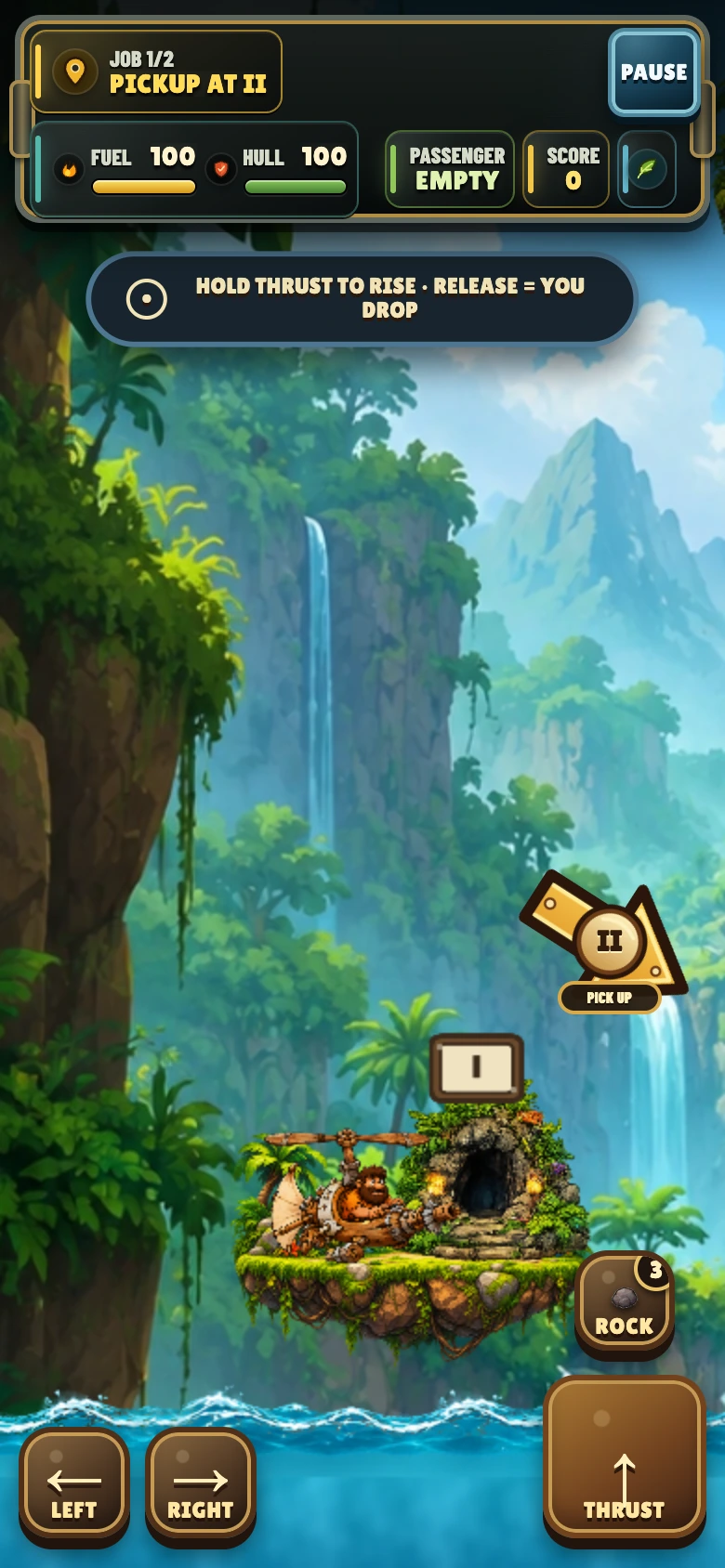
A beautiful loading screen does not repay a player for waiting through an avoidable download. Images, audio and models need budgets tied to first interaction. Large optional assets can arrive later. Critical controls and readable feedback cannot.
AI image generation makes it cheap to create another variation and easy to forget the cumulative cost. Every accepted asset needs a role, dimensions, compression and a loading stage. Content volume is never free just because creation was fast.
Production ends at the deployed artifact
The source repository can be correct while the public build is stale, misconfigured or incomplete. Production checks the compiled output, its manifest, assets, routes and target policy. Then it checks the live host after deployment.
SaratogaKit connects the original design intent to that last inspection. The line from idea to artifact stays visible, including the evidence gathered along the way. That is how AI speed becomes repeatable production instead of a pile of impressive demonstrations.
Once the core interaction works, production has to preserve it across devices, old saves, interrupted sessions and every release target. That is most of the work hidden behind a playable build.