The prototype is a question
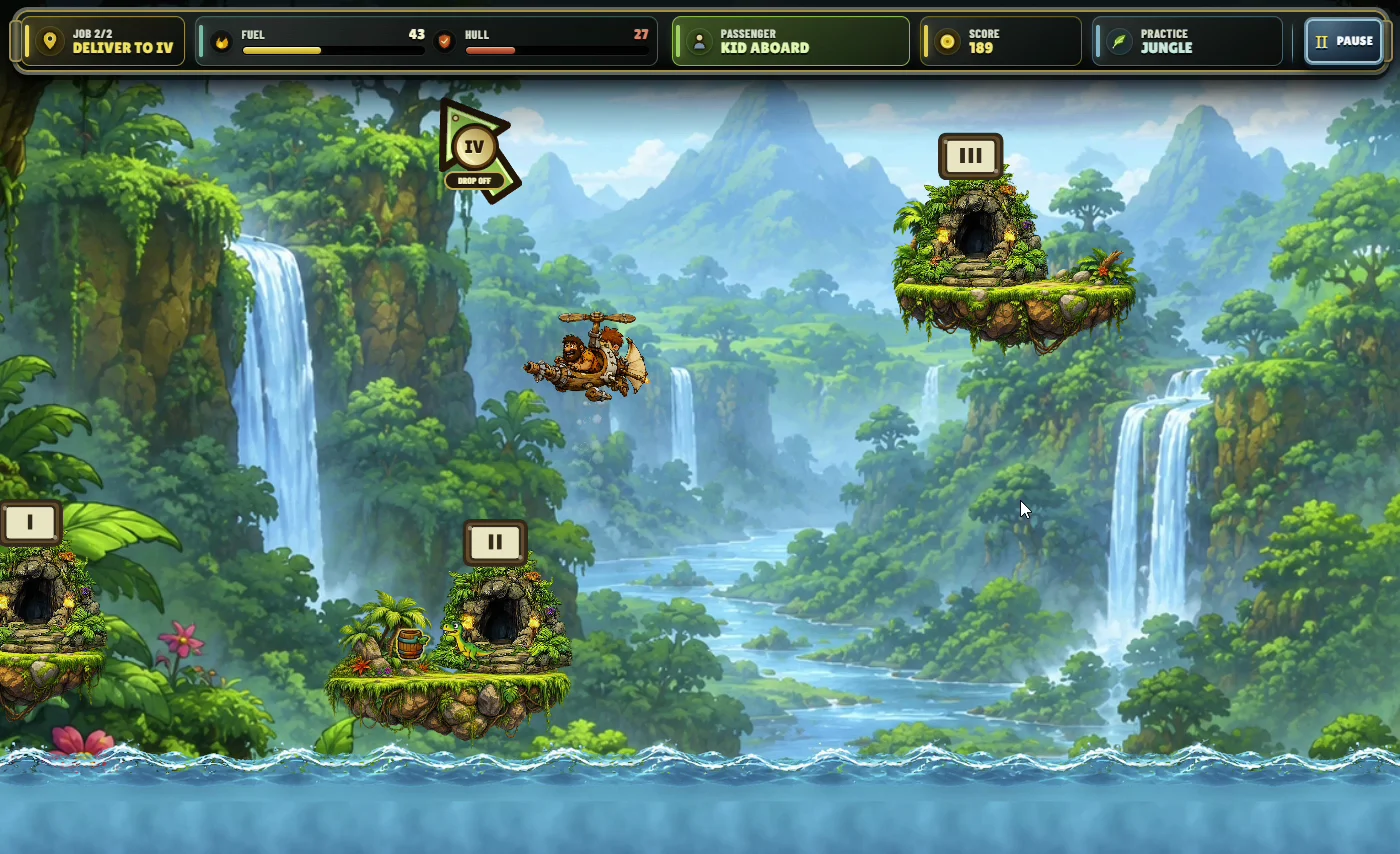
A first playable build asks whether the core idea has energy. Does flying a caveman helicopter create a grin? Does striking a puck around a neon table make you want another point? AI is excellent at helping reach that question quickly.
The prototype cannot answer whether the game will remain stable after a phone rotates, a save comes from an older version, an image download fails or a portal pauses the page. Those problems arrive later, and they interact. Production game development is the work of keeping the original spark alive while the number of responsibilities grows.
Agents need a creative director
AI agents can write code, inspect a system, generate alternatives and test detailed behaviour. They can also confidently move in five sensible directions that do not belong in the same game. A strong result needs one person deciding the promise, the tone, the visual standard and the trade-offs.
At Saratoga Games that role stays human. I decide why a feature exists, which joke belongs, how a control should feel and when a polished idea is distracting from the game. The agents expand the amount of work I can examine. They do not replace the point of view that makes the work recognisable.
Context is part of the product
An agent working on one screen can make a locally correct change that breaks a save, another mode or a distribution build. The usual response is to write a larger prompt. That helps for one task, then disappears when the next task begins.
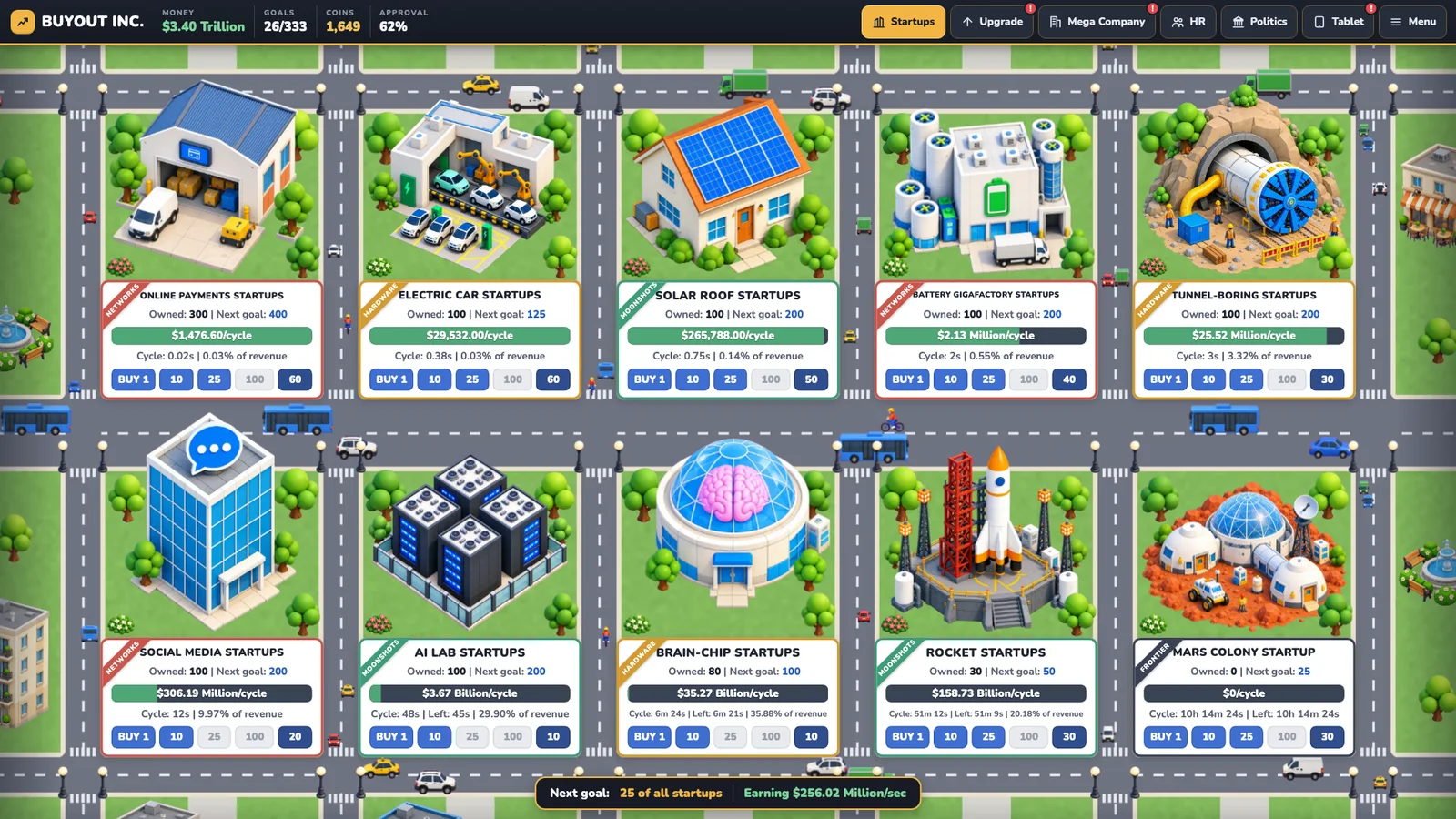
SaratogaKit grew as a durable layer around the work. It keeps game intent, accepted art direction, platform rules, test expectations, known failures and release paths available to the next decision. Each project also feeds lessons back into the system. Caveman Taxi strengthened touch and distribution checks. Super Air Hockey strengthened deterministic simulation and replay thinking. BuyoutInc strengthened protected-engine theming.
Use agents as a team with different jobs
The most useful AI workflow does not ask one conversation to design, build, approve and celebrate its own work. Different passes can investigate the repository, challenge the plan, implement a bounded change, inspect the result and verify the final artifact.
Separation creates productive disagreement. A visual review can reject a technically correct screen. A release check can find that the right code produced the wrong folder. A gameplay review can show that a passing test protects a boring outcome. The owner resolves those views against the game's goal.
Evidence keeps speed from becoming churn
AI makes it cheap to change many files. It does not make it cheap to understand a bad change after it spreads. SaratogaKit prefers observable completion: a real route played, a save migrated, a screenshot inspected, an artifact inventoried, a known regression replayed.
Automated tests carry the repeatable evidence. Human play carries the judgement. Both matter. A physics test can confirm that a collision resolves. A person has to decide whether the contact feels satisfying and whether the visual feedback tells the truth.

A game ships as an artifact, not a repository
Browser games often have several destinations. An owned subdomain, CrazyGames and another portal may need different SDKs, links, advertising behaviour, save providers and package limits. The source can remain shared while the built artifacts differ on purpose.
This is where many fast AI projects become fragile. The code looks finished, but nobody can say which output belongs on which host. SaratogaKit treats build identity, contents, verification and rollback as part of the creative process. Players only meet the deployed artifact, so that is the thing that has to be trusted.
The emerging craft is direction plus systems thinking
AI game development rewards people who can hold the whole experience together. The valuable skill is less about typing every line and more about recognising consequences across design, engineering, art, audio, testing, platforms and player expectations.
That is the space Saratoga Games is exploring in public through finished games. Each release is both a game and a set of production lessons. SaratogaKit turns those lessons into a better starting point for the next one, while the final creative responsibility remains exactly where it should be.
AI makes production faster when it works inside clear creative direction, persistent context and real evidence. The prototype proves the idea can move. The system and the judgement turn it into a game people can trust.